2026 KYMAA Section meeting
Friday and Saturday, April 10-11, 2026
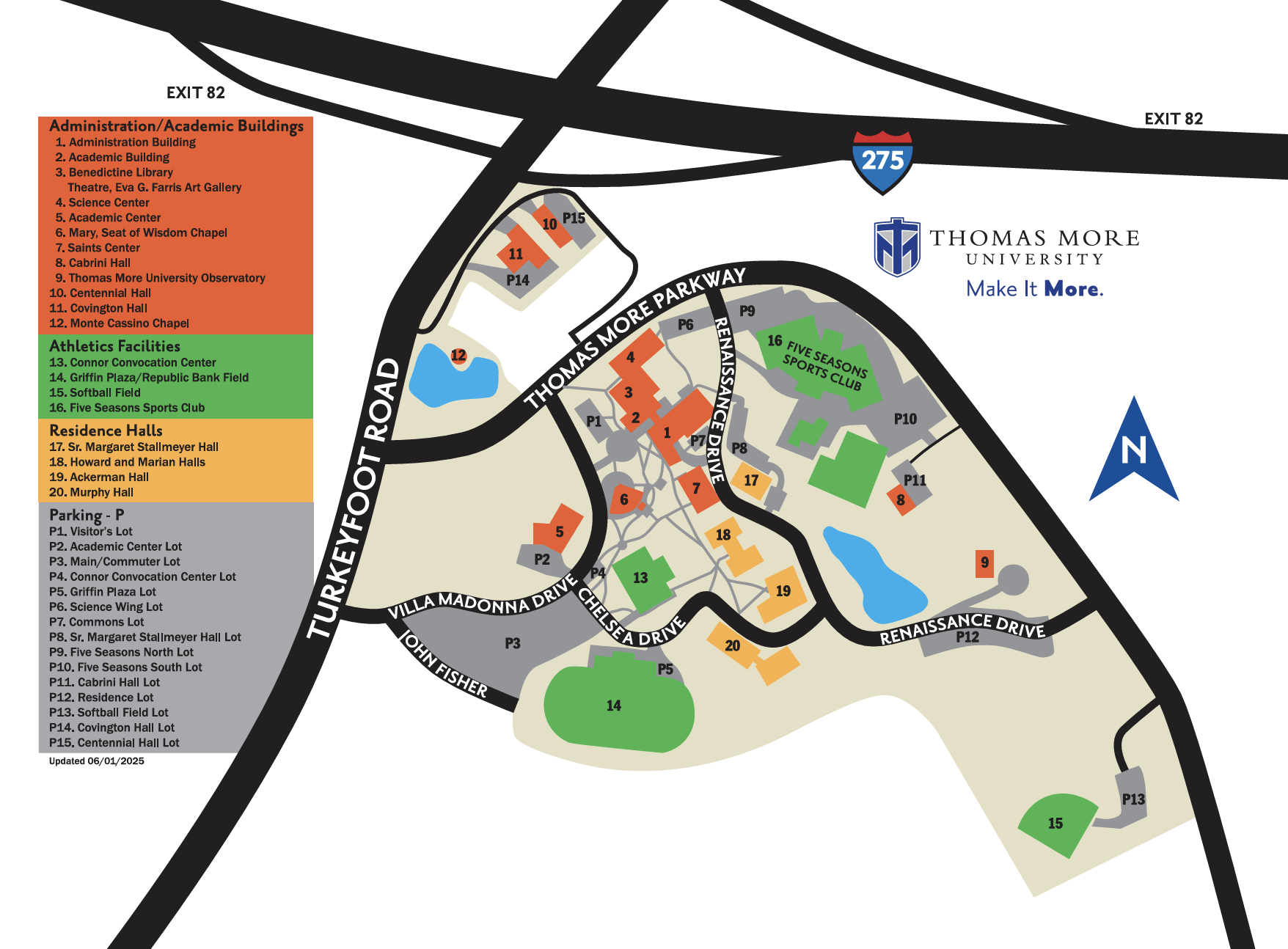
Thomas More University
Plenary Speakers

Ranthony Clark
Bio: Ranthony A. Clark is a National Science Foundation Ascending Postdoctoral Fellow, Phillip Griffiths Assistant Research Professor, and Computational and Mathematical Science Fellow for the Center for Computational Thinking at Duke University. She earned a PhD in Mathematics in 2018 from the University of Iowa and her research interests include applied algebraic topology, data science, commutative ring theory, math education, and the history of Black mathematicians. Dr. Clark is deeply invested in quantitative justice, that is, using mathematical tools to address societal issues rooted in inequity. Her current work in quantitative justice involves applications of mathematics and data science to electoral redistricting.
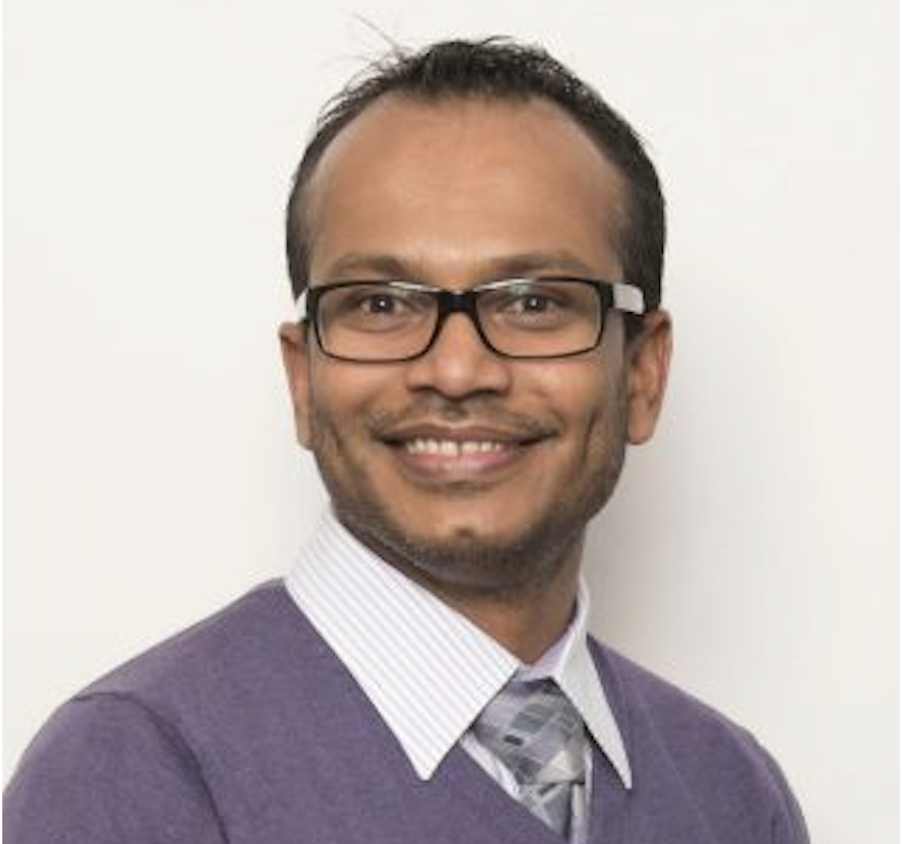
Dhanuja Kasturiratna
Bio: Dhanuja Kasturiratna is an associate professor at Northern Kentucky University and is the 2025 winner of the KY MAA Section Teaching Award. He enjoys teaching probability and statistics courses, as well as doing statistics consulting. While his primary goal is to be an effective statistics teacher, he loves to be involved in scholarly activities. His research is mainly on goodness-of-fit tests and characterization problems in statistics. Another area that he enjoys working in is computational statistics.
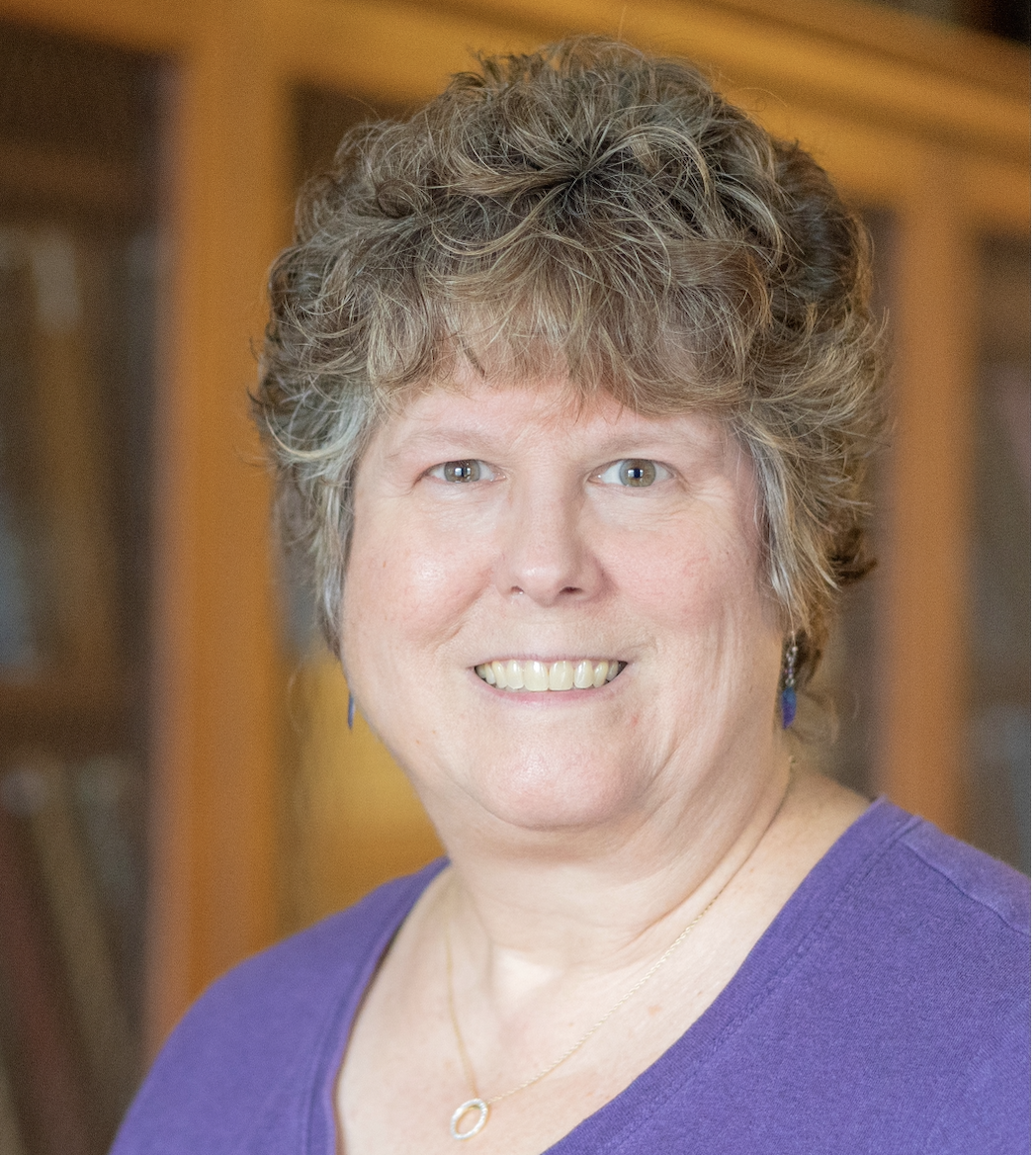
Tamara Lakins
Bio: Tamara Lakins is Editor of The College Mathematics Journal and Professor Emeritus of Mathematics at Allegheny College, a small liberal arts college in Pennsylvania. After 28 years at Allegheny, she retired in 2023. Tami was a 1995-96 Project NExT Fellow and has been active in the MAA at both the section and national level, serving as Chair, Governor, and Treasurer of the Allegheny Mountain Section, co-coordinator of the Allegheny Mountain Section NExT, and Associate Editor on the MAA Classroom Resource Materials Editorial Board. Her book, The tools of mathematical reasoning, was published by the AMS in 2016. Tami’s term as Editor of CMJ runs from 2024 to 2028.
Title: A Case for Quantitative Justice
Speaker: Ranthony Clark
Abstract: Quantitative Justice is an emerging interdisciplinary research field that asks a simple but powerful question: How do the mathematical sciences interact with society? Bringing together ideas from mathematics, statistics, computer science, and data science, Quantitative Justice develops rigorous tools to investigate real-world systems that shape people’s lives.
In this talk, I introduce the central ideas of Quantitative Justice and highlight examples from several research communities that show how mathematical approaches can illuminate questions of fairness and representation. I will also focus on my own work, which centers on voting rights and electoral redistricting, as an example of how quantitative methods can deepen our understanding of democratic processes.
Along the way, we’ll explore what it takes to view a social concern from a quantitative lens, and how doing so can generate both meaningful societal insights and rich mathematical problems. I will also reflect briefly on my path into this field and why Quantitative Justice offers exciting opportunities for students and scholars who want to use their quantitative skills in service of a better society.
Title: Undergraduate Research and Experiential Education
Speaker: Dhanuja Kasturiratna
Abstract: Preparing students for careers in data science, analytics, and other quantitative fields requires more than coursework; it requires hands-on engagement with real-world problems. This talk examines the development and impact of an undergraduate research program designed to connect applied statistical research with experiential learning.
The program emerged from a sabbatical focused on big data, high-dimensional data analysis, and machine learning. It is built on the idea that students learn most effectively when they participate in meaningful research. Through industry collaborations, professional development activities, and partnerships with applied research initiatives, the program engages undergraduates in authentic, data-driven projects that develop practical skills valued by employers.
Since its inception, the program has supported a growing group of undergraduate researchers working on projects in modern data analytics. Their work has resulted in poster and oral presentations, peer-reviewed publications, internships, and industry connections. Beyond these outcomes, structured research experiences help strengthen critical thinking, collaboration, and practical problem-solving abilities.
This talk also highlights practical strategies for building sustainable undergraduate research programs, mentoring students through open-ended research challenges, and integrating experiential learning into the curriculum to better prepare students for graduate study and careers in data science and analytics.
Title: A journey with The College Mathematics Journal
Speaker: Tamara Lakins
Abstract: The MAA journals (The College Mathematics Journal, Mathematics Magazine, and The American Mathematical Monthly) offer a wealth of mathematics for college faculty and their students. We begin with a quick introduction to CMJ and the particular fun found in CMJ’s Proofs Without Words. We then describe how MAA journal articles were used in an upper level course dedicated to helping majors learn to read mathematics more independently, give a sampling of recently published CMJ papers appropriate for an undergraduate audience, and include tips for those interested in publishing in CMJ.
Registration + Schedule
Click the button to go to the register form for the Section meeting, where you can also submit an abstract to give a talk. The deadline to register online for the Section meeting is Wednesday, April 1st (you can still register onsite, the day of the conference). The deadline to submit an abstract to give a talk has passed. There is also a button to pay for the registration (you can also pay for more than one person using the payment button — you’ll be asked for the names of those you are paying for).
Full two-day registration, including meals, is $85 for nonstudents and $20 for students
Friday-only registration, including a banquet dinner, is $70 for nonstudents and $10 for students.
Guests at the Friday banquet can be included for a fee of $25 per guest.
Saturday-only registration, including lunch, is $60 for nonstudents and $10 for students.
If you are a minor (under age 18), you must also complete the form found by clicking here.

Hotel Information
Cost: $143.20+tax for two queen beds (cutoff date for discount is March 18th)
Address: 10 Hampton Lane Wilder, KY 41076
Hotel Code: CVGWIHX
Group Name: KYMAA2026
Group Code: 509
Group Type: D
Holiday Inn Express and Suites Cincinnati South - Wilder
Cost: $159.00+tax for one king bed (cutoff date for discount is March 10th)
Address: 8 Hampton Lane Wilder, KY 41076
Instructions: Guests can make reservations either by calling the hotel directly at 859-815-8855 and asking for the KYMAA Conference Block or online using the booking link KYMAA Conference.
Holiday Inn Cincinnati Airport
Cost: $109.00+tax for two queen beds (cutoff date for discount is March 25th)
Address: 1717 Airport Exchange Boulevard, Erlanger, KY 41018
Group Code: CLL
Host Institution Information
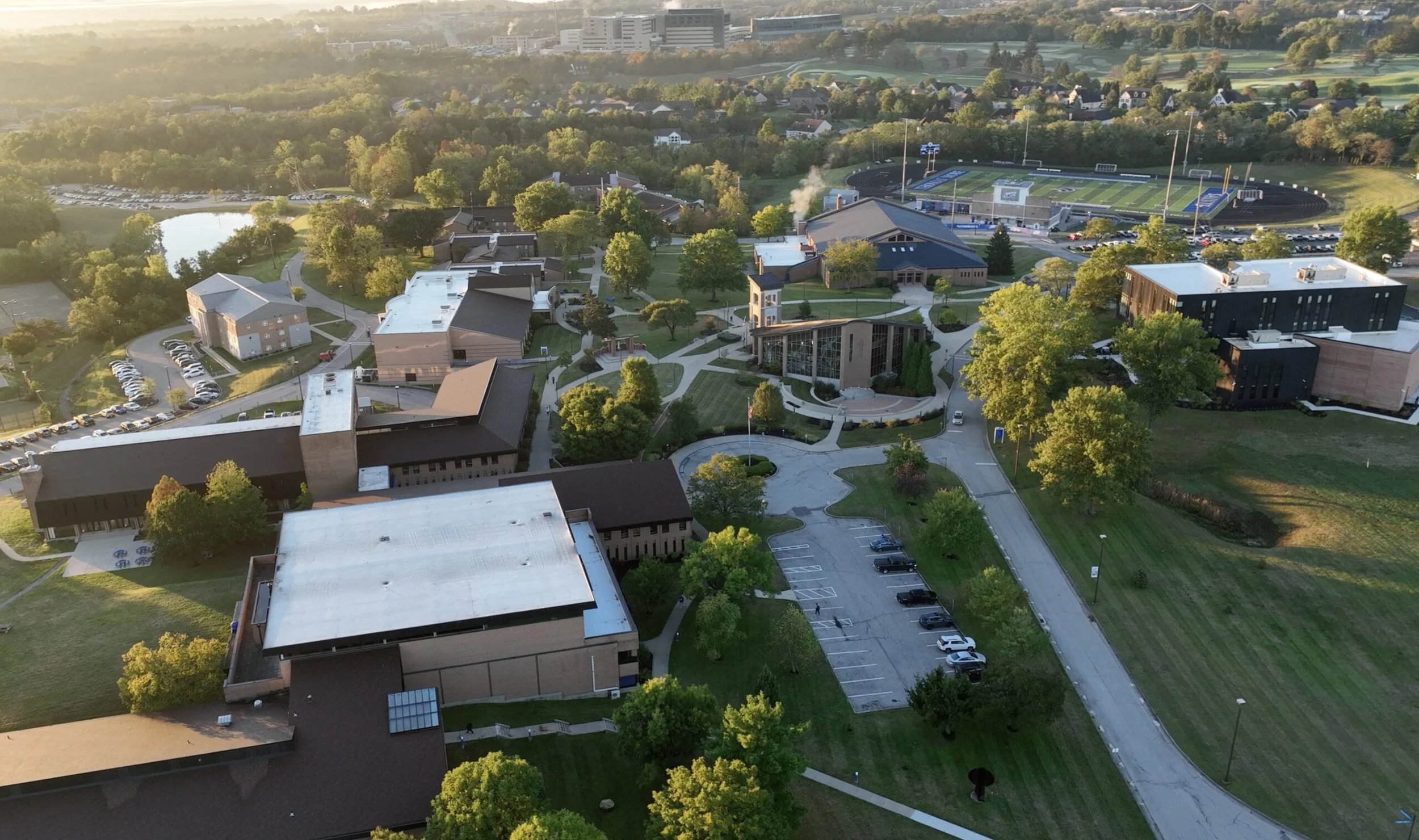
Thomas More University is a leading Catholic, liberal arts institution in the Midwest. It serves approximately 1,900 full- and part-time students from across the country and around the world on its beautiful campus in Crestview Hills, Kentucky,